Software for one


👋 Hey and welcome to technical-ish — the newsletter for the kind-of-technical-but-not-really crowd.
Every two weeks: practical ways to use AI in your work, no coding required. Just real workflows, tools that actually help, and experiments I've run so you don't have to.
If you want to leverage AI but "technical" has never been your thing, welcome!
Software for one is the idea that people can build and create hyper-personalized software that is exactly tailored to their needs and specifications. The term was coined in the wave of GenAI (I heard it the first time from Kevin Roose from the Hard Fork podcast) and back then I kind of sensed what it meant but it wasn't until this month that I really understood it.
I've been using ClaudeCode extensively for the past month, and it provided me the glimpse into the agentic future everyone is talking about.
This article tells the story of how yours truly, a "fairly technical", but still very non-technical person managed to decommissioned 3 SaaS tools by building not exact clones, but versions of them that do the one thing I need, without paying the subscription.
Intro to Claude Code
Claude Code is version of Claude that you run in your terminal, the black box where developers write and read code and that is an interface to your files. At first glance, and by being terminal-based Claude Code is something you wouldn't need unless you know how to write code. If you ever tried engaging with the Terminal, you may know how frustrating it is for non-developers: it is highly sensitive to syntax, it asks for unintelligible permissions and it works with commands. Which means you need to know what you want to do, that it is possible to do and which is the command to execute that which you are trying to do. Hence, very high drop rates for non-technical folks like me.
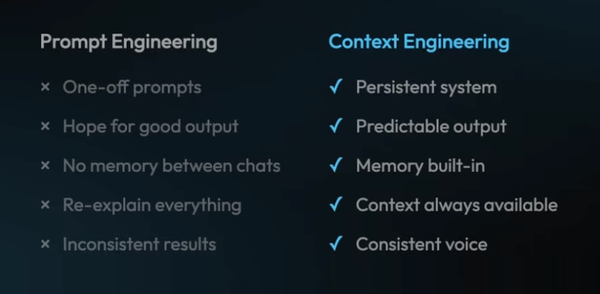
From another angle: Claude Code brings chat into an environment where context persists (if you set it up). No more copy-pasting between sessions. Instead, genuine collaboration: you describe what you need, the agent builds it, and the context stays with you both.
ClaudeCode is not new (it was launched in the Spring 2025), but I personally was scared off by the word Code in the name. As a non-technical person I selected myself out of the audience.
It was only with the advent of Opus 4.5, the latest and by far strongest model from Anthropic, that Claude Code became so good, that even no-programmers like myself got away with using it, without fully understanding what is going on.
How I started using Claude Code
After seeing posts and articles of ClaudeCode all over the place in my various feeds, I decided to give it a try. Equipped with some YouTube Tutorials (at this stage thank you Margaux for sending me the article of Teresa Torres) I went on the quest of riding the ClaudeCode wave.
And oh boy, after 1.5 weeks in the 20USD plan I decommissioned:
- Lovable
- Testimonial
- Zapier
- And made the life of my accountant easier by building a script that reads my invoices, and extracts the data she and I need to understand where money is flowing in and out of the business (if anyone is interested in the details, let me know!)